Realism

Unrealrth?


When writing fiction, ensuring that your characters’ actions and motivations feel natural is key to telling a relatable story – or at least one that doesn’t have your readers shaking their heads in disbelief.  We can only take so many plot contrivances before we lose the ability to take a narrative seriously.  But does that mean everything in a story should unfold in a strictly realistic manner?

It can be a tricky balance to strike.  Minimizing the required suspension of disbelief is a worthy goal, but it’s also important not to use realism as an excuse for bad storytelling.  After all, real life isn’t often that interesting, and things not happening as they usually would is the gist of what makes a story worth telling.  No one excitedly calls up a friend to explain how normal of a day she had.

The premise and certain major plot points of a story may not always be particularly realistic, but if they are in service to a theme – a powerful driving force in narrative by which reality is not bound – then that doesn’t have to be a bad thing.  We can usually swallow a few unlikely coincidences for the sake of poetic meaning, especially when they can (and should) still be grounded by the details surrounding them and characters’ reactions to them.  It’s also good to keep in mind that when people complain about unrealism, what they’re often actually harping on are stereotypes and clichés, ironically because they are, much like reality, regularly encountered.  What they truly want to see is something fresh and different.

Internal consistency is imperative, and reality is a good base model for how events might unfold in a given scenario, but don’t let a singular pursuit of realism steer you away from weaving a cohesive narrative.  If being unrealistic tells a better story, then tell the better story. We’re all just making stuff up, anyway. (>^-‘)>


Bene scribete.

What a Deal

WD Cloud Drive


Oh, hey, a networked hard drive you can set up to access from anywhere.  That could be handy. $100?  O.K., yeah, better than an ongoing subscription to a cloud service.  What’s the storage space on that thing?


That's a log of storage


Oh.  Well, um, hmm.

I guess that should be enough to store a list of things I could use it for.


Bene scribete.

Steampunk Serials: Folio 4 Now Available


The fourth volume of Shauna Scheets‘s Steampunk Serials is now available for purchase!

You can pick up a digital copy of it and the three preceding issues for 99¢ each at Amazon and other eBook retailers.


Bene scribete.

Trucks and Beer

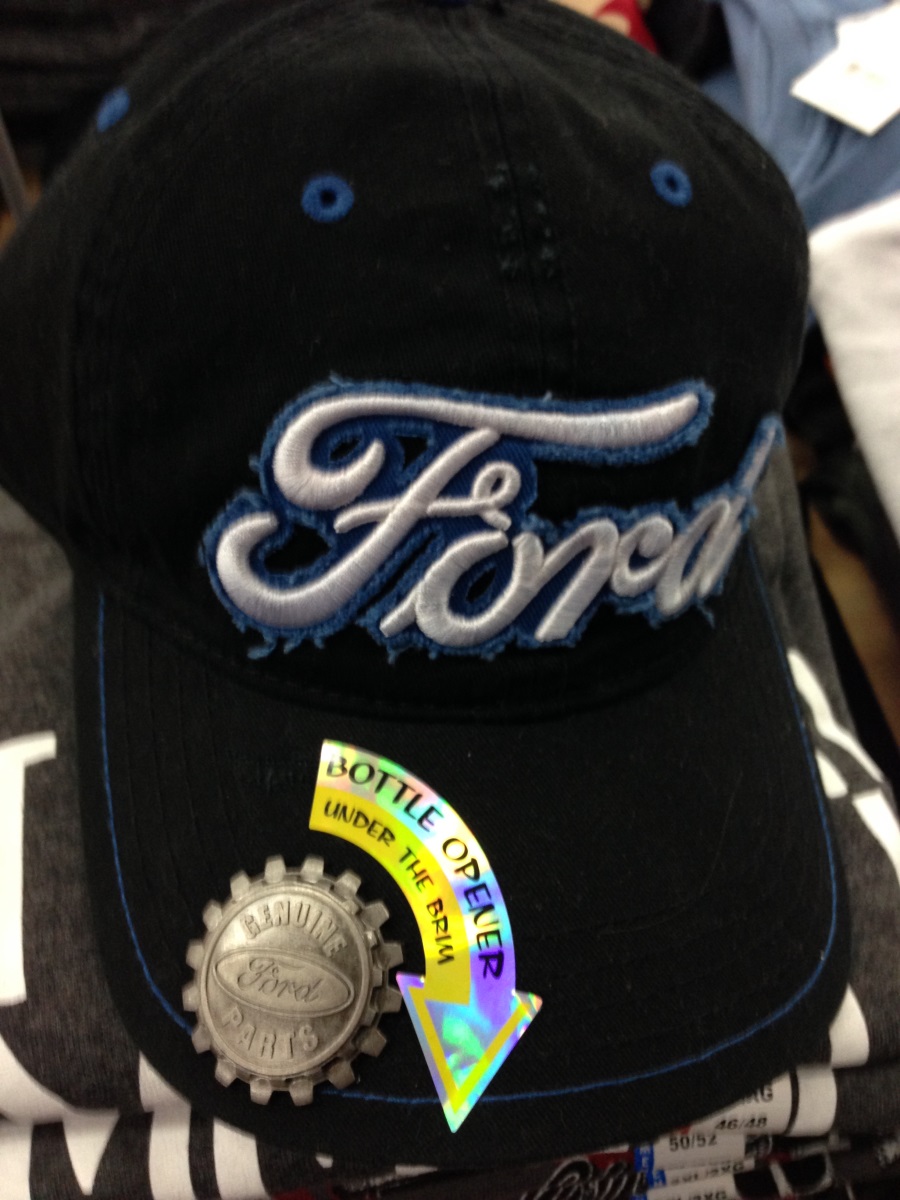
After bringing you something profoundly hipster last week, I figure it’s only fair to jump to the other end of the spectrum and show you one of the most redneck things I’ve ever seen.


Hat for beer


I give you a baseball cap.  Advertising Ford.  With a bottle opener.

(Would it surprise you to learn that I found this at Wal*Mart?)

Trucks and beer, ladies and gentlemen.  Trucks and beer.


Bene vīvite.

If You Care

DO you care?


Don’t get me wrong – I think recycled products are great – but this tickled me as what has to be the most hipster brand name I’ve ever seen.  Can’t you just hear the faux-dismissive judgement dripping off of it?

“It’s best to buy this brand of wax paper.  You know,” – a shrug, a look to the side, eyebrow arching, lip turning up ever-so-slightly in simultaneous disdain and self-satisfaction – “if you care.”

They also make toilet paper.


Bene vīvite.

Describing Protagonists

A man being drawn


The other day, I encountered a conversation on Facebook prompted by a question on how best to describe the main character of a book, and when several responses amounted to “don’t”, I figured it was a topic worth discussing further.

Descriptive minimalism is all the rage these days – and don’t get me wrong, I hardly yearn for a return to multi-page-long tangents of flowery irrelevance – but I always find my reader side irritated when an author can’t be bothered to describe the protagonist without a thematic reason not to do so.  In short stories, sure, it’s not so big of a deal, as they’re usually more about ideas than characters, but if you’re going to have me follow someone for an entire novel, at least give me a clue as to whom I should be picturing. I can fill in the blank, but it’ll probably be with something pretty stock, and I’m reading for a glimpse into your imagination, not mine.

Physical appearance should certainly take a back seat to personality and actions as far as defining a character, but it’s still an avenue for interesting subtext, and something worth taking advantage of.  Personal imagery is a powerful thing; we’re visually oriented and strongly wired to pay it mind.  Let your readers make assumptions about how characters might act based on what they look like, then challenge or confirm them as you see fit – a motif equally applicable to reality.  Forcing your readers to assume what characters look like based on how they act is something that doesn’t make sense outside the context of a story – assuming the characters interact with others and aren’t invisible.

As to the how of the original question, there are plenty of non-intrusive methods to describe a character.  As long as the narrative isn’t strictly perspectivized (and the perspective has no reason to draw attention to it), there’s nothing wrong with a simple declarative sentence or two: “He was a short, tan, and lumpy fellow, not unlike a potato.”  Sprinkling adjectives onto actions (“She tied back her long, brown tresses”) or using dialogue from others (“Aren’t you a little too tall for that?”) are quick and seamless.  Even reflections, as tropey as they are, are a natural way to bring up appearance within the bounds of the narrative if the perspective character is self-critical, vain, or recently changed in some way.

All of that said, though, this is one of those things that ultimately comes down to a matter of personal preference.  So, as a reader (and/or writer), what’s yours?


Bene scribete.

When Are Bagel?

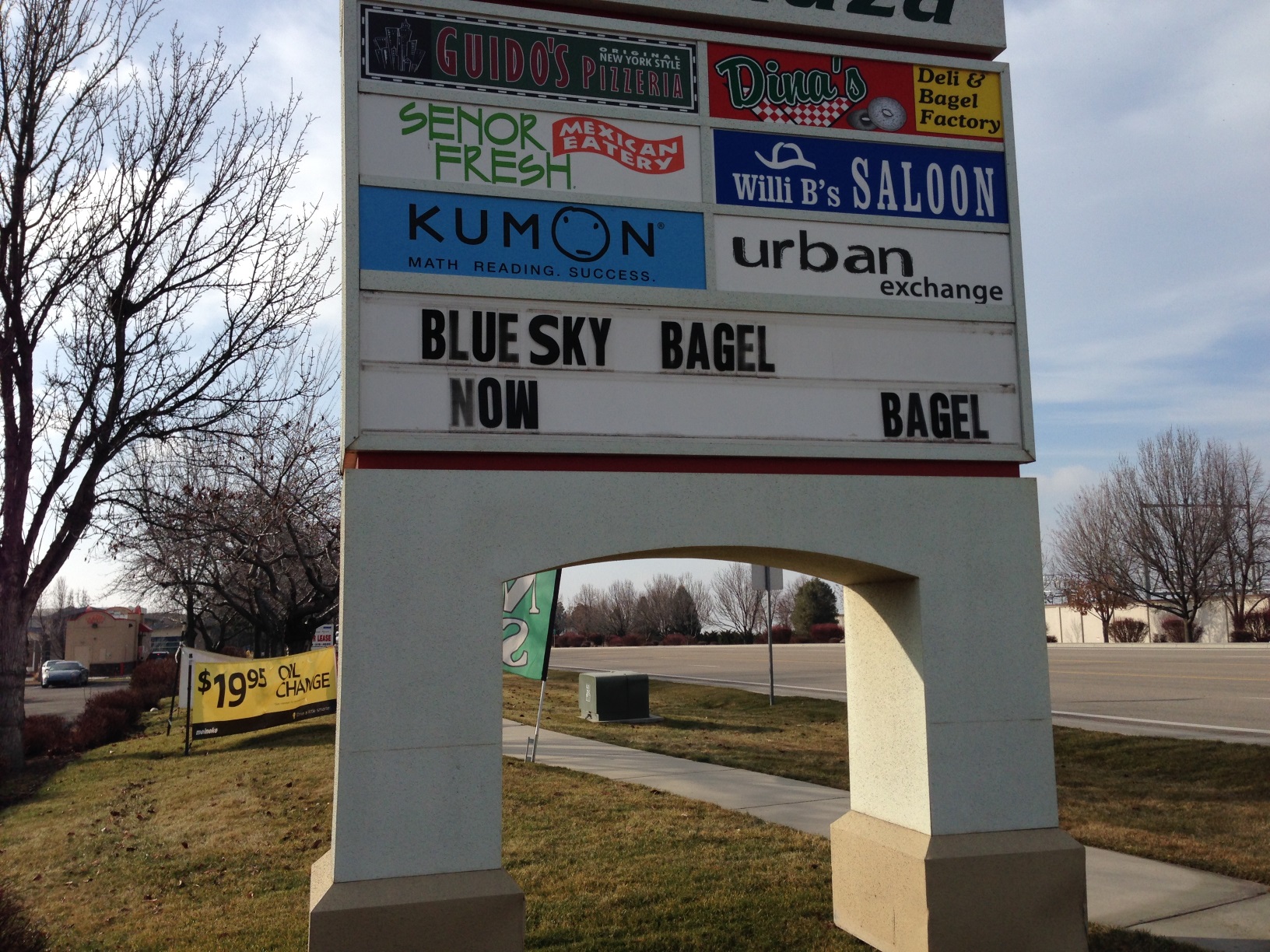
My favorite local bagelry went under and got bought out by Blue Sky a few months back.  Sad times for the local place, which was really good, but Blue Sky is pretty good too.

This sign they have up, however – at least how I choose to read it – may be a trifle psychotic.


We promise it's bagel

Blue Sky Bagel.
Now………Bagel.


It’s the dramatic pause that the space indicates, only to be followed up by redundancy and questionable grammar.  Good stuff.

Yeah.

Bagel.


Bene scribete.

Three Neat Things on the Internet

For lack of anything finished or worthwhile of my own to put forth, I suppose I’ll just share three things I encountered making their rounds on the Internet this week that I thought were pretty swell.


1) Zodiac Monsters

I love creature design work, and always marvel at the creativity behind putting new life forms together. Artist Damon Hellandbrand turned the western astrological signs into monsters, and, well, they’re pretty darn cool.


2) Live Performance of “Il Dolce Suono” (The Fifth Element Remix)

You know that scene in The Fifth Element where the blue tentacle-headed alien diva does that crazy techno riff on “Il Dolce Suono”, but her voice changes into a painfully obvious MIDI flute part-way through?

Well, here’s a girl on what looks to be the Armenian version of The Voice singing it for real.  Holy crap.


3) Stoat in a Stump

Let’s end with some cute.  Ermines are ridiculously adorable, and here’s one who had nothing better to do than to remind everyone of that.


Bene scribete.